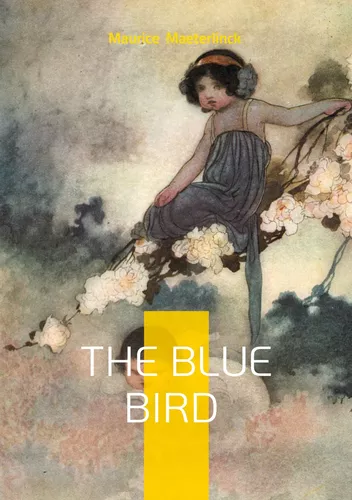
« The Blue Bird » by Maurice Maeterlinck is a timeless fairy tale that unfolds as a magical adventure for readers of all ages. The story follows two children, Mytyl and Tyltyl, who are sent by a wise fairy on a quest to find the elusive blue bird of happiness. Guided by the light of a magical diamond, the siblings journey through fantastical realms, including the Land of Memory, the Palace of Night, and the Kingdom of the Future, encountering a host of personified objects and animals along the way.
Throughout their travels, Mytyl and Tyltyl learn profound lessons about love, generosity, and the true meaning of happiness. The narrative is rich in symbolism and allegory, inviting readers to reflect on the nature of existence and the importance of appreciating the simple joys of life. Maeterlincks lyrical prose and imaginative world-building make « The Blue Bird » a classic of children's literature and a beloved work of fantasy.
The novel appeals to those who enjoy fairy tales, allegorical journeys, and stories that blend magic with philosophical insight. Its themes of imagination, adventure, and the quest for happiness resonate with readers seeking both entertainment and inspiration. This masterpiece of classic literature continues to captivate audiences with its enduring message about the power of belief and the wonders of the unseen world.
Maurice Maeterlinck (1862.1949) was a Belgian playwright, poet, and essayist whose innovative works earned him recognition as a leading figure in the Symbolist movement. Born in Ghent, Maeterlinck studied law before turning to literature, where he quickly distinguished himself with his poetic sensibility and philosophical depth. His most famous work, « The Blue Bird », is celebrated as a masterpiece of fairy tale and fantasy, blending imaginative storytelling with profound symbolism.
Maeterlincks writing is characterized by its exploration of existential themes, the mysteries of life and death, and the search for meaning. In addition to « The Blue Bird », he wrote numerous plays, essays, and poems that reflect his interest in the unseen forces that shape human destiny. His contributions to children's literature and fantasy have inspired generations of readers and writers, making him a central figure in the development of modern literary symbolism.
Throughout his career, Maeterlinck received numerous accolades, including the Nobel Prize in Literature in 1911. His legacy endures as a pioneer of fairy tale and fantasy, whose works continue to enchant and challenge readers around the world.









Il n'y a pour le moment pas de critique presse.